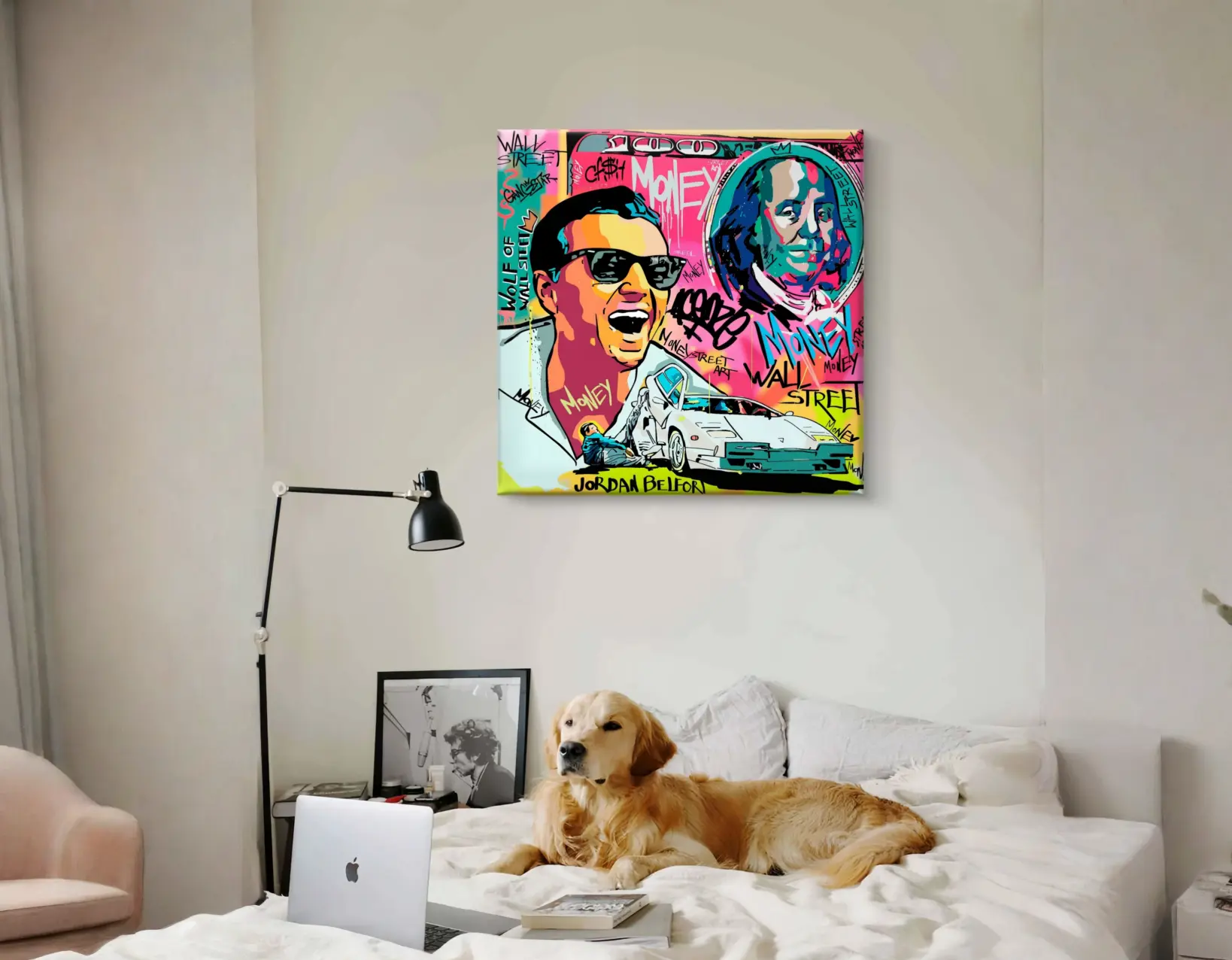
Split canvas prints — also known as multi-panel canvas art — take a single image and divide it across two, three, or even five separate canvas panels. The result is a panoramic, gallery-style display that commands attention and transforms blank walls into visual masterpieces.
Here's everything you need to know about choosing, ordering, and hanging split canvas prints.
What Are Split Canvas Prints?
A split canvas print takes one continuous image and splits it across multiple individual canvases. Each panel is stretched on its own frame, and when hung together with small gaps (typically 2-5cm), they create a cohesive panoramic display.
Common configurations include:
- Diptych (2 panels): Clean, symmetrical, modern.
- Triptych (3 panels): The most popular choice. Balanced and dramatic.
- Quadriptych (4 panels): Uncommon but striking for horizontal panoramas.
- Pentaptych (5 panels): Maximum impact. Best for very large walls.
Why Choose Split Canvas Over Single Canvas?
Visual Impact
Split canvases feel more dynamic and sophisticated than a single large canvas. The gaps between panels create a sense of movement and dimension.
Flexible Sizing
A single 150cm canvas is imposing and can feel overwhelming. The same image split across 5 panels of 30cm each feels balanced, manageable, and architecturally interesting.
Easier Handling
Large single canvases (120cm+) are awkward to carry, package, and hang. Multiple smaller panels are easier to handle. You can even rearrange them.
Modern Aesthetic
Split canvases are strongly associated with contemporary interior design. They instantly signal "this homeowner has taste."
Best Images for Split Canvas Prints
Panoramic Landscapes
Mountain ranges, cityscapes, ocean horizons, and desert vistas work incredibly well. The horizontal sweep of a panorama naturally lends itself to the multi-panel format.
Abstract Art
Bold, flowing abstract compositions where colours and shapes span across panels create stunning visual impact. Each panel is beautiful alone, but together they tell a story.
Cityscapes & Architecture
Skyline photos — Mumbai's Marine Drive, Delhi's Lotus Temple silhouette, Dubai's Burj Khalifa — look spectacular spread across 3-5 panels.
Nature Close-Ups
Large flowers, tree canopies, or water surfaces that have flowing, organic forms work beautifully when split. The organic shapes naturally bridge the gaps between panels.
Avoid These Images for Split Canvas
- Portraits where the face splits awkwardly across panels.
- Images with important central subjects that might fall in a gap between panels.
- Very busy, detailed images where the splitting fragments the composition.
Split Canvas Size Configurations
3-Panel Triptych (Most Popular)
Option A: Equal Panels
- 3 panels of 40x60cm each
- Total display: approximately 130cm wide (including gaps)
- Best for: medium living room walls
Option B: Center-Heavy
- 1 center panel: 50x75cm
- 2 side panels: 30x50cm
- Total display: approximately 120cm wide
- Best for: above sofas, beds, dining tables
5-Panel Pentaptych
Staggered Heights:
- Panels progressively increase then decrease in height
- Creates a dramatic mountain/wave silhouette
- Total display: approximately 150-180cm wide
- Best for: large accent walls, home theatres
Equal Heights:
- 5 panels of identical height but varying widths
- Cleaner, more contemporary look
- Best for: offices, modern apartments
How to Hang Split Canvas Prints
Essential Tools
- Measuring tape, pencil, level, hammer, wall hooks
The Process
- Lay panels in order on the floor. Confirm the visual sequence is correct.
- Decide on the gap between panels: 2-3cm for a seamless panoramic feel, 4-5cm for a more gallery-style look.
- Calculate total width: Sum of all panel widths + (number of gaps × gap size).
- Find center point on your wall. Mark it.
- Work outward from the center. Install the center panel first, then add panels alternating left and right.
- Use a level after each panel to ensure horizontal alignment.
- Step back frequently (at least 3 meters) to check the overall alignment.
Pro Tip: The Tape Method
Before drilling any holes:
- Cut pieces of craft paper or newspaper to match each panel's dimensions.
- Tape them to the wall in position.
- Live with them for 24 hours.
- Adjust if needed, then mark hook positions and drill.
Common Split Canvas Mistakes
- Gaps too wide: More than 5cm makes the panels feel disconnected. The image loses its continuity.
- Uneven heights: Even a 1cm height difference between panels is painfully noticeable. Use a laser level for precision.
- Wrong wall size: A 5-panel set on a small wall feels cramped. Measure your wall and ensure at least 15-20cm of blank space on each side.
- Ignoring furniture: Split canvas should be 2/3 the width of the furniture below it (sofa, bed, console).
Split Canvas vs. Other Multi-Panel Options
| Type | Description | Best For |
|---|---|---|
| Split Canvas | One image across multiple panels | Panoramic scenes |
| Gallery Wall | Multiple different images | Eclectic, personal collections |
| Hexagonal Canvas | Multiple hexagonal-shaped canvases | Modern, geometric accent walls |
| Grid Canvas | Image split into equal squares | Instagram-style, clean aesthetic |
Our Recommended Panoramic Designs
These high-resolution bestsellers are specifically optimized for multi-panel split presentation:
- Celestial Frontier Canvas: A stunning, vast cosmic landscape that looks exceptionally spectacular when split across 3 or 5 horizontal panels.
- Dreaming in Colors Canvas: Energetic abstract splashes that gain incredible dimension and style when divided into modern vertical panels.
Conclusion
Split canvas prints are one of the most impactful ways to decorate a large wall. They combine the drama of oversized art with the elegance of gallery presentation. Whether you choose a classic triptych or a dramatic five-panel spread, the result will be a wall that stops people in their tracks.
Written by
Suraj
Writes the GPSFDK blog: guides to choosing, hanging and caring for wall art in Indian homes. More Guide articles