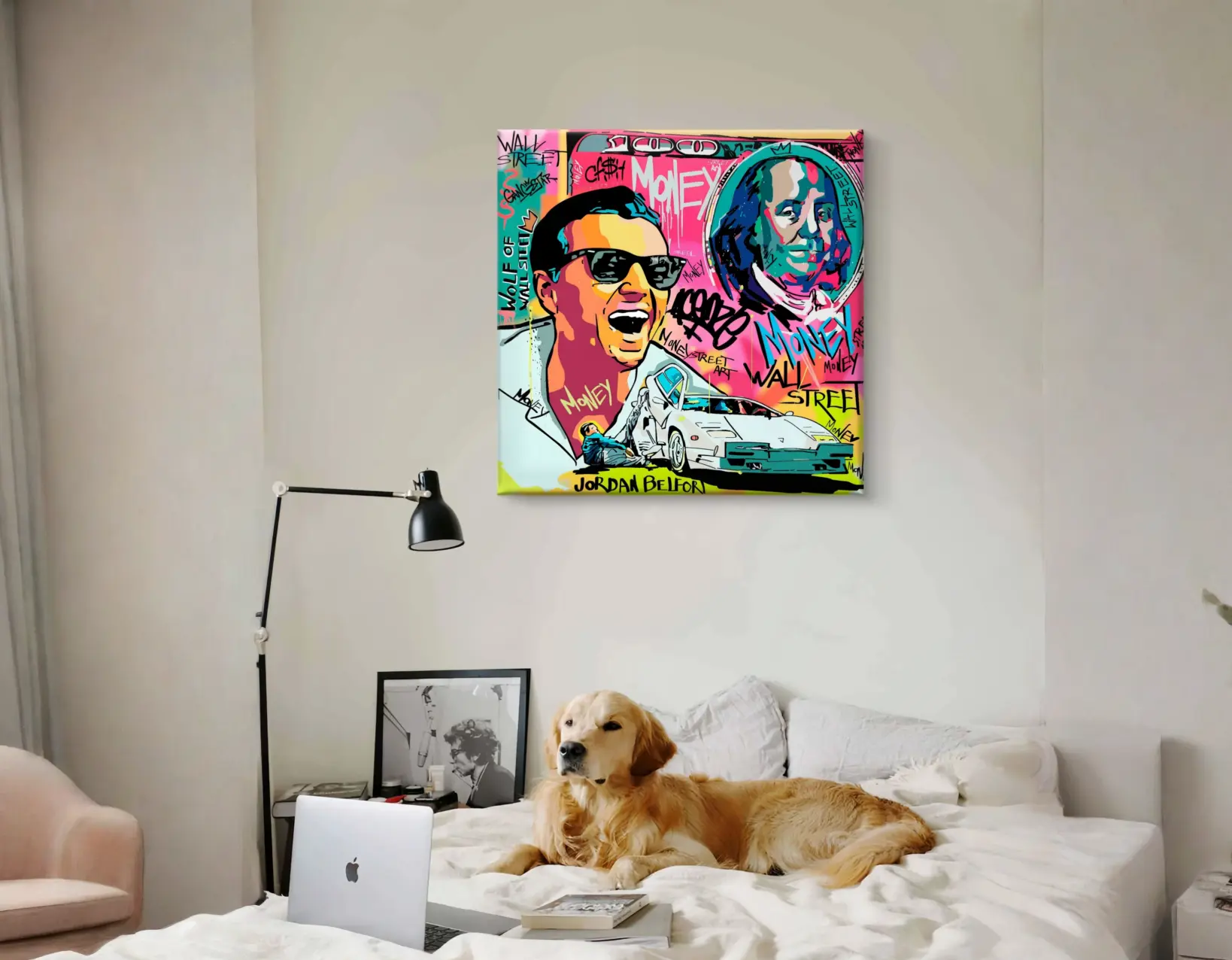
Your canvas wall art is an investment — both financially and emotionally. Whether it's a custom family portrait, a museum-quality landscape, or an abstract masterpiece, proper care ensures it stays vibrant and beautiful for decades.
Here's everything you need to know about cleaning, protecting, and maintaining your canvas prints.
Understanding Your Canvas
Before diving into cleaning techniques, it helps to understand what you're working with:
- Canvas material: Usually cotton, polyester, or a cotton-poly blend — all woven fabrics with a textured surface.
- Ink type: Modern canvas prints use either pigment-based or dye-based inks. Pigment inks are more durable and water-resistant; dye inks produce more vivid colours but are more sensitive.
- Coating: Many high-quality canvases (including GPSFDK's) have a UV-protective laminate or varnish layer that shields the ink from fading and provides moisture resistance.
Routine Cleaning (Monthly)
Dusting
Dust is your canvas's primary enemy. In India's dusty climate, canvas prints accumulate visible dust surprisingly fast — especially during summer and construction season.
How to dust properly:
- Use a soft, dry microfiber cloth or a feather duster.
- Gently wipe the canvas surface using light, sweeping motions.
- Work from top to bottom so dust falls downward.
- Don't press hard — the canvas surface can indent if pushed against the stretcher bars.
Frequency: Once every 2-4 weeks, or more often if your home is near a road or construction site.
Compressed Air (Optional)
For canvases with deep textures where dust settles into crevices:
- Use a can of compressed air (available at electronics stores).
- Hold the can 15-20cm from the canvas.
- Spray in short bursts to dislodge trapped dust.
Deep Cleaning (As Needed)
For Light Stains or Marks
- Dampen a white microfiber cloth with distilled water (tap water can leave mineral deposits).
- Gently dab (don't rub) the affected area.
- Immediately blot dry with a clean, dry cloth.
- Allow to air dry completely before re-hanging.
For Stubborn Spots
- Mix a tiny amount of mild dish soap with distilled water.
- Dip a cotton swab or soft cloth into the solution.
- Test on an inconspicuous corner first (the edge or back).
- If safe, gently dab the stain.
- Wipe away soap residue with a clean damp cloth.
- Air dry completely.
What NEVER to Use on Canvas
| Product | Why It's Dangerous |
|---|---|
| Window cleaner (Colin, Windex) | Contains ammonia which dissolves ink |
| Bleach | Destroys canvas fibres and ink |
| Alcohol-based cleaners | Can strip protective coating |
| Abrasive sponges/scrubbers | Will tear the canvas surface |
| Wet wipes | Often contain chemicals that damage prints |
| Hair dryer (for drying) | Heat can warp the stretcher bar frame |
Protecting Your Canvas Long-Term
Location Matters
Avoid:
- Walls with direct afternoon sunlight (even UV-resistant inks fade over time)
- Above stoves or cooking areas (grease and moisture)
- Bathrooms (constant humidity exposure)
- Near air conditioning vents (rapid temperature changes cause expansion/contraction)
Ideal locations:
- Walls with indirect natural light
- Climate-controlled rooms
- Living rooms, bedrooms, and hallways
Humidity Control
India's monsoon season is particularly harsh on canvas prints. High humidity can cause:
- Canvas sagging (the fabric absorbs moisture and stretches)
- Mould growth on the back of the canvas
- Warping of the wooden stretcher bars
Prevention tips:
- Maintain indoor humidity between 40-60% (use a dehumidifier during monsoons).
- Ensure the back of the canvas has air circulation — don't push items against it.
- If you notice slight sagging after monsoons, the canvas typically tightens again when humidity drops.
UV Protection
Even with UV-resistant inks, prolonged sun exposure causes gradual fading. Extra protection options:
- UV-filtering window film on nearby windows.
- UV-protective spray varnish (apply annually for maximum protection — use sprays specifically designed for canvas prints).
- LED picture lights instead of halogen (LEDs produce virtually zero UV radiation).
Handling and Moving Canvas Art
When Moving House
- Remove the canvas from the wall.
- Wrap the front surface with acid-free tissue paper or clean cotton cloth.
- Place in a cardboard box slightly larger than the canvas.
- Fill gaps with bubble wrap or packing paper.
- Store and transport vertically (leaning against a surface, not flat).
- Never stack heavy items on top of a canvas.
Storing Canvas Art
If you need to store a canvas temporarily:
- Wrap it in acid-free materials.
- Store in a cool, dry, dark place.
- Store vertically, leaning against a wall.
- Avoid attics (extreme heat) and basements (moisture/dampness).
When to Seek Professional Help
Some situations require a professional art conservator or restorer:
- Deep scratches or punctures in the canvas surface.
- Water damage from leaks or flooding.
- Mould growth that has penetrated the canvas fibres.
- Significant fading that you want corrected.
Our Most Durable UV-Protected Designs
If you want worry-free maintenance, these museum-grade designs are pre-coated with our premium UV-resistant varnish:
- Azure Gaze Canvas: Renowned for its stable ocean pigments that stand up to humid coastal climates without fading.
- The Concrete Jungle Canvas: Exceptionally robust ink layers wrapped around kiln-dried pine wood frame backing.
Conclusion
A little routine care goes a long way. With monthly dusting, smart placement, and basic precautions against India's humidity and sun, your canvas wall art will remain as vibrant as the day you hung it — for decades to come.
Written by
Suraj
Writes the GPSFDK blog: guides to choosing, hanging and caring for wall art in Indian homes. More Care articles